
The 5 R’s
The 5 Rs For An Eco-friendly Lifestyle
Most people are familiar with the importance of recycling, but the truth is, recycling should ideally not even come into the picture!
Here’s a simple approach you can take. Remember the 5 Rs:
Refuse, Reduce, Reuse, Repurpose, and then Recycle.
Let’s take a closer look at how you can apply each of these steps in your life.
With a combination of Refuse, Reduce, Reuse, Repurpose, and Recycle, you will be
able to significantly change your lifestyle to have a net positive impact on the environment. The change starts with you!
REFUSE
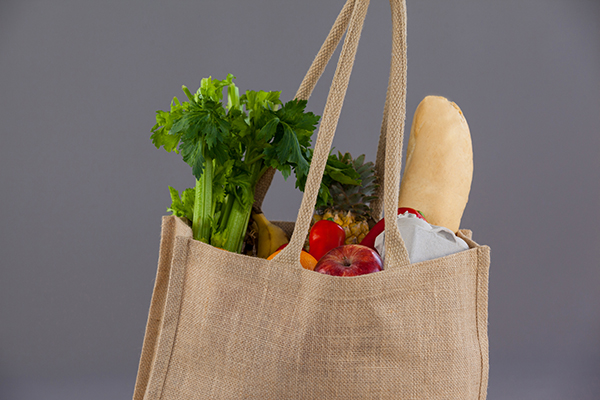
Learning to refuse plastics is challenging at first, but it happens to be the most effective way to minimize plastic waste. See where you are using wasteful or non-recyclable products. Refuse unnecessary product packaging and request reusable or returnable containers. Being more conscious of your purchasing decisions makes it possible to avoid plastics altogether.

REDUCE
Reduce the use of harmful, wasteful, and non-recyclable plastics. This will significantly reduce your contribution to landfills of plastic waste that are destroying the environment. If you have to use plastics, stick to the minimum amount required to avoid unnecessary waste. Some of the items you can use less of include plastic packaging and Styrofoam cups.

REUSE
Single-use plastics contribute to environmental pollution and make up a lot of our plastic waste. We are using these types of plastics at an increasing rate and the plastic crisis has become one of the world’s greatest environmental challenges. To do your part in reducing waste, simply reuse items instead of buying more. Choose compostable or reusable alternatives wherever possible.
REPURPOSE
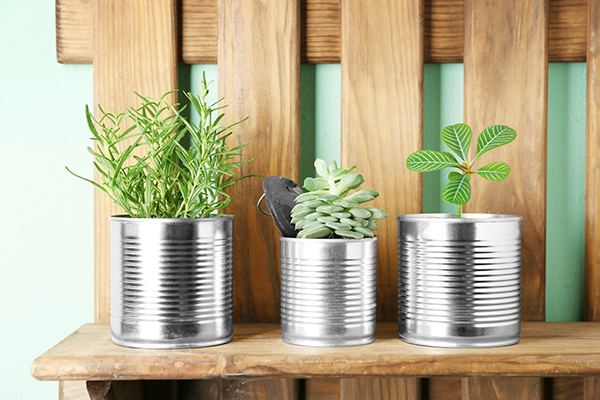
If you cannot refuse, reduce, or reuse, get creative and try repurposing it. This method is also called ‘upcycling’. Many commonly used products serve more than one purpose — it just requires some ingenuity to figure it out. You can use wasted printer paper for scribbling notes, cardboard boxes for storing supplies, and mason jars, coffee mugs, and tin cans as pen stands or storage for kitchen items.
RECYCLE
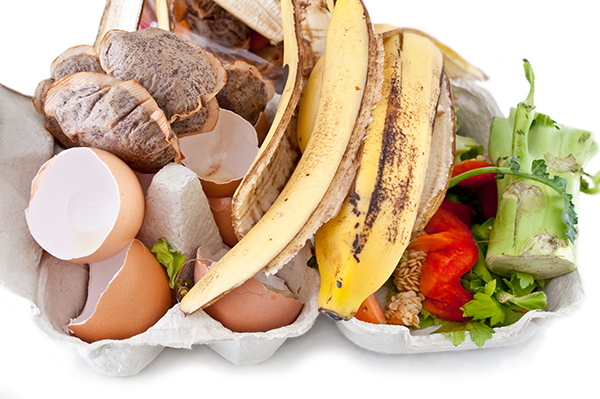
Last but not least: recycle. Once you’ve gone through all of the other R’s, recycling is the most eco-friendly option there is. If you don’t do so already, start separating cardboard, mixed paper products, commingled materials (plastics, aluminium, glass) and organics. You will probably be surprised by the amount of waste you can reduce by establishing an effective recycling program.