the impact of plastic

A plastic fork used for 15 minutes can take 450 years or more to decompose.

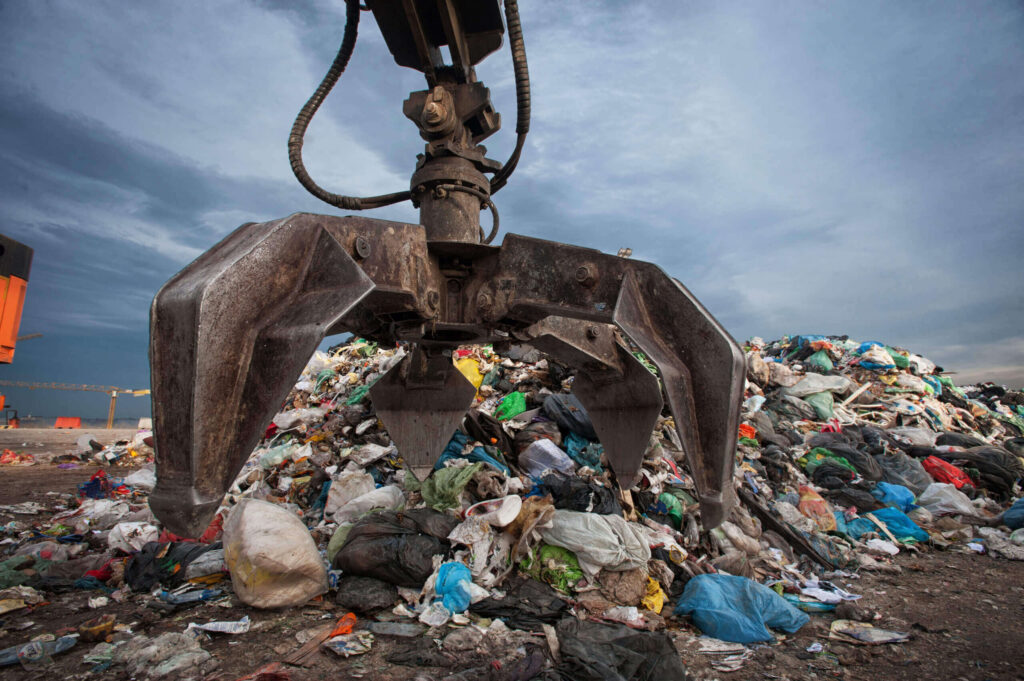
Although almost all of the plastic we produce can be recycled, out of the 8.3 billion tons we’ve produced since 1950, 6.3 billion tons has ended up as waste and only 9% of that has been recycled. The rest has either been incinerated (12%) or ended up in landfills or the ocean (79%). Moreover, plastic waste is expected to quadruple from 2010 to 2050 and global recycling capacity will only cover 1/3 of the waste.


But what is the actual impact of all this plastic pollution? Let’s find out…

Impact on human health

Microplastics that contaminate the air, our water and food, including salt, fish, honey and beer have the potential to act like a magnet for other dangerous chemicals that are dumped into nature. These dangerous chemicals can get concentrated in the microplastics and then potentially cause havoc to our hormone systems. 


Sea creatures ingest microplastics that are then eaten by humans leading these plastics directly to the human gut. Additionally, there are millions whose lives depend on recycling plastics — these people in places like India and Bangladesh are constantly exposed to the plastics, resulting in permanent damage to their health and wellbeing. 


Impact of Plastic Pollution

Impact on the marine environment

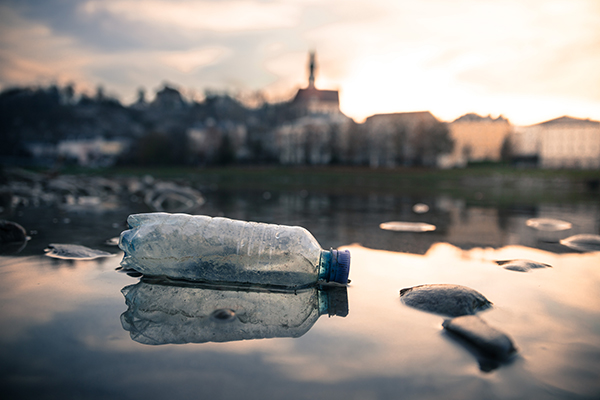
The biggest and most devastating impact of plastics is on marine life — by ingesting, suffocating and getting entangled in plastic, hundreds of marine species are driven to suffer and die. Seabirds, whales, fishes and turtles, mistake plastic waste for prey, and die of starvation as their stomachs are filled with plastic debris. They suffer from lacerations, infections, and internal injuries, reducing their ability to swim. All of this causes a massive disruption of marine ecosystems.

Impact on global climate

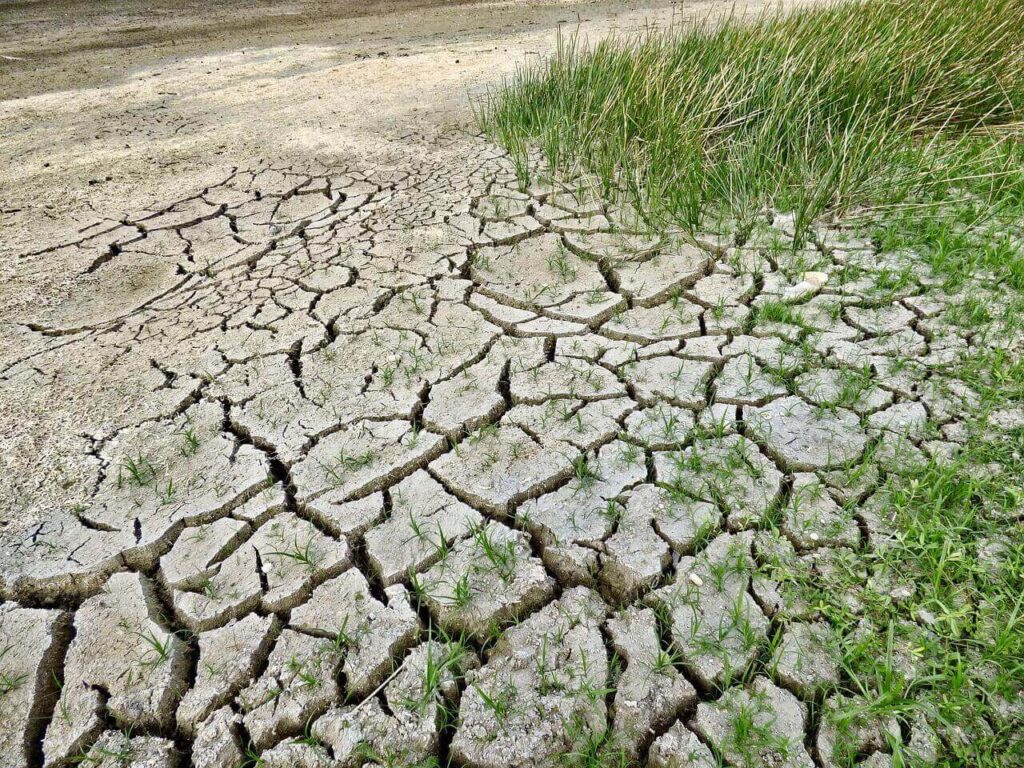
Plastic is a petroleum product and contributes to global warming. When exposed to sunlight in an open landfill, plastic ends up releasing powerful greenhouse gases. As the planet gets hotter, the plastic breaks down into more methane and ethylene, increasing the rate of climate change. A lot of plastic waste is also incinerated and it releases carbon dioxide into the atmosphere, further contributing to global climate change.

Impact of Plastic Pollution

The financial cost of all this impact runs into the billions.

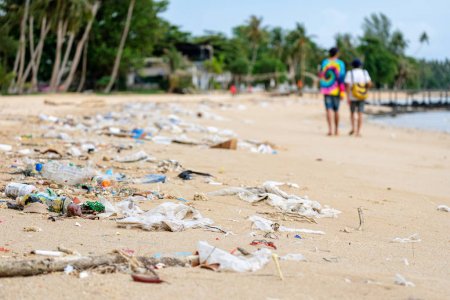
There is the financial cost of clean-up operations and litter removal on one hand and on the other, plastic causes damage to fishing equipment resulting in loss of revenue for fishermen, leading to a drop in the quality of seafood available. Additionally, beaches across the world are covered with plastics, leading to drop in revenue from tourism. And there are numerous other costs that are unaccounted for.


It is natural to feel helpless and overwhelmed in the face of these problems. But each individual and organization that wakes up to the severity of the problem and takes a sustainable approach, will take us in the right direction.